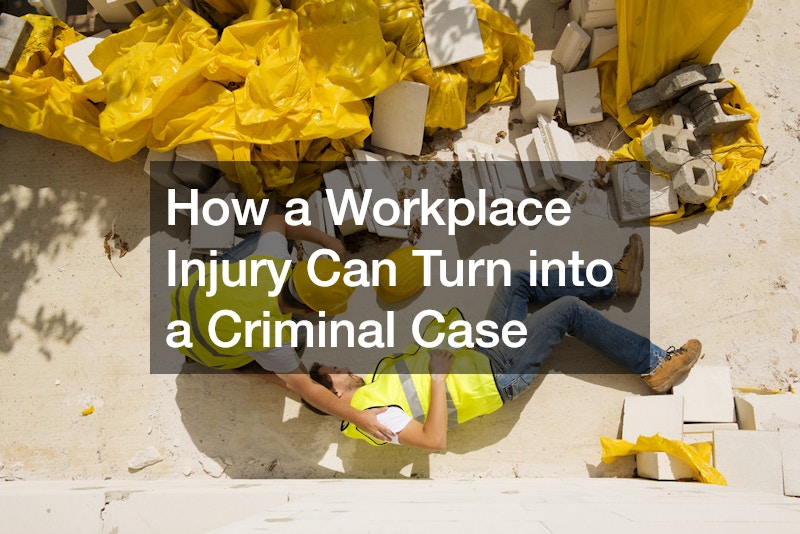


A workplace injury usually leads to a medical visit and a workers compensation claim, but in some cases it can trigger a criminal investigation as well. Employers, coworkers, or even injured workers themselves can end up facing charges depending on how the accident happened and what the evidence shows. Understanding where the line falls between an accident and a crime can help you protect your rights and avoid costly mistakes. This article walks through the most common ways a workplace injury case can escalate into criminal territory, and what steps you can take if it happens to you.
Recognizing When an Accident Becomes a Crime
Most workplace injuries are treated as civil or administrative matters handled through insurance claims rather than criminal courts. However, when an injury results from intentional misconduct, gross negligence, or a willful violation of safety regulations, prosecutors may get involved. Criminal exposure typically arises when there is evidence that someone knew about a dangerous condition and chose to ignore it anyway. The distinction often comes down to intent and the degree of disregard for known risks.
Investigators look closely at company records, safety logs, and witness statements to determine whether the injury was a tragic accident or the result of reckless decision-making. If a pattern of ignored complaints or falsified inspection reports surfaces, that shifts the case from negligence toward criminal liability. These situations are rare compared to the overall volume of workplace injuries, but they do happen, especially in high-risk industries like construction and manufacturing.
Employer Fraud and Falsified Safety Records

One of the most common paths from injury to criminal case involves employers who falsify safety documentation to cover up violations. When a company forges inspection certificates, hides broken equipment reports, or instructs employees to lie to inspectors, prosecutors may pursue fraud or obstruction charges. This becomes especially serious when the falsified records directly contributed to the injury.
- Falsifying OSHA compliance paperwork after an incident occurs
- Instructing employees to give false statements to investigators
- Concealing known equipment defects from safety inspectors
- Backdating maintenance logs to appear compliant
- Destroying video footage or physical evidence related to the accident
Employee Misconduct Leading to Criminal Charges
Sometimes it is not the employer but a coworker whose actions turn a workplace injury into a criminal matter. If someone was operating machinery while intoxicated, deliberately sabotaged equipment, or engaged in reckless horseplay that caused serious harm, they could face assault or reckless endangerment charges. These cases often unfold alongside a workers compensation claim, since the injured worker may still be entitled to benefits regardless of who is criminally responsible.
It is worth noting that criminal charges against a coworker do not automatically disqualify an injured employee from receiving compensation. The workers compensation system and the criminal justice system operate independently, even when they are triggered by the same event. Anyone unsure how these two processes interact should consult with workers compensation lawyers who can clarify how a pending criminal case might affect a benefits claim.
Fatal Workplace Accidents and Manslaughter Charges
When a workplace injury results in death, prosecutors sometimes pursue manslaughter or criminally negligent homicide charges against an employer or supervisor. This typically happens in cases involving repeated safety violations, ignored regulatory warnings, or a documented history of near-miss incidents that were never addressed. Courts look for evidence that the responsible party understood the danger and consciously disregarded it.
These cases can take months or even years to develop because prosecutors need strong evidence of intent or extreme recklessness, not just an unfortunate lapse in judgment. Families of victims often pursue both a criminal complaint and a wrongful death claim simultaneously. The criminal process focuses on punishment, while the civil side focuses on financial recovery for the surviving family members.
How a Criminal Investigation Affects Your Benefits Claim
If your workplace injury becomes part of a criminal investigation, it can complicate the timeline and process of your compensation claim. Insurance companies sometimes delay payments while a criminal case is pending, arguing that the facts of the incident are still unresolved. This can leave injured workers in a difficult financial position at exactly the moment they need support the most.
If your injury also leaves you unable to work for an extended period, you may need to pursue federal disability benefits in addition to any workers compensation award. The application process for these benefits can be lengthy and requires detailed medical documentation. Many injured workers choose to work with disability attorney professionals who understand how a criminal case might overlap with a long-term disability claim, since inconsistent statements made during one process can sometimes be used against you in the other. Some workers also turn to social security attorneys for guidance when navigating the federal claims process alongside a pending criminal matter.
Protecting Yourself During a Dual Investigation
If you suspect your workplace injury might involve criminal elements, it is important to be careful about what you say and to whom. Statements given to an insurance adjuster, a company investigator, or a police officer can all be used later in either the civil claim or a criminal proceeding. Being honest is essential, but you are also entitled to have legal representation present before answering detailed questions.
- Avoid speculating about fault or intent when giving initial statements
- Request copies of any incident reports filed by your employer
- Keep your own written timeline of events while memories are fresh
- Save all medical records and correspondence related to the injury
- Consult a professional before signing any settlement or waiver
A workplace injury can take unexpected turns, and recognizing the warning signs of a possible criminal case early can make a real difference in how your situation unfolds. If you notice falsified records, safety violations, or aggressive pressure to settle quickly, it is worth seeking professional guidance before making any decisions. Whether your path forward involves a compensation claim, a disability application, or both, getting informed advice now can protect your finances and your legal standing later. Taking the time to understand your options today puts you in a much stronger position for whatever comes next.